
Loading...
Serving El Cajon, CA and surrounding areas. (858) 339-5418
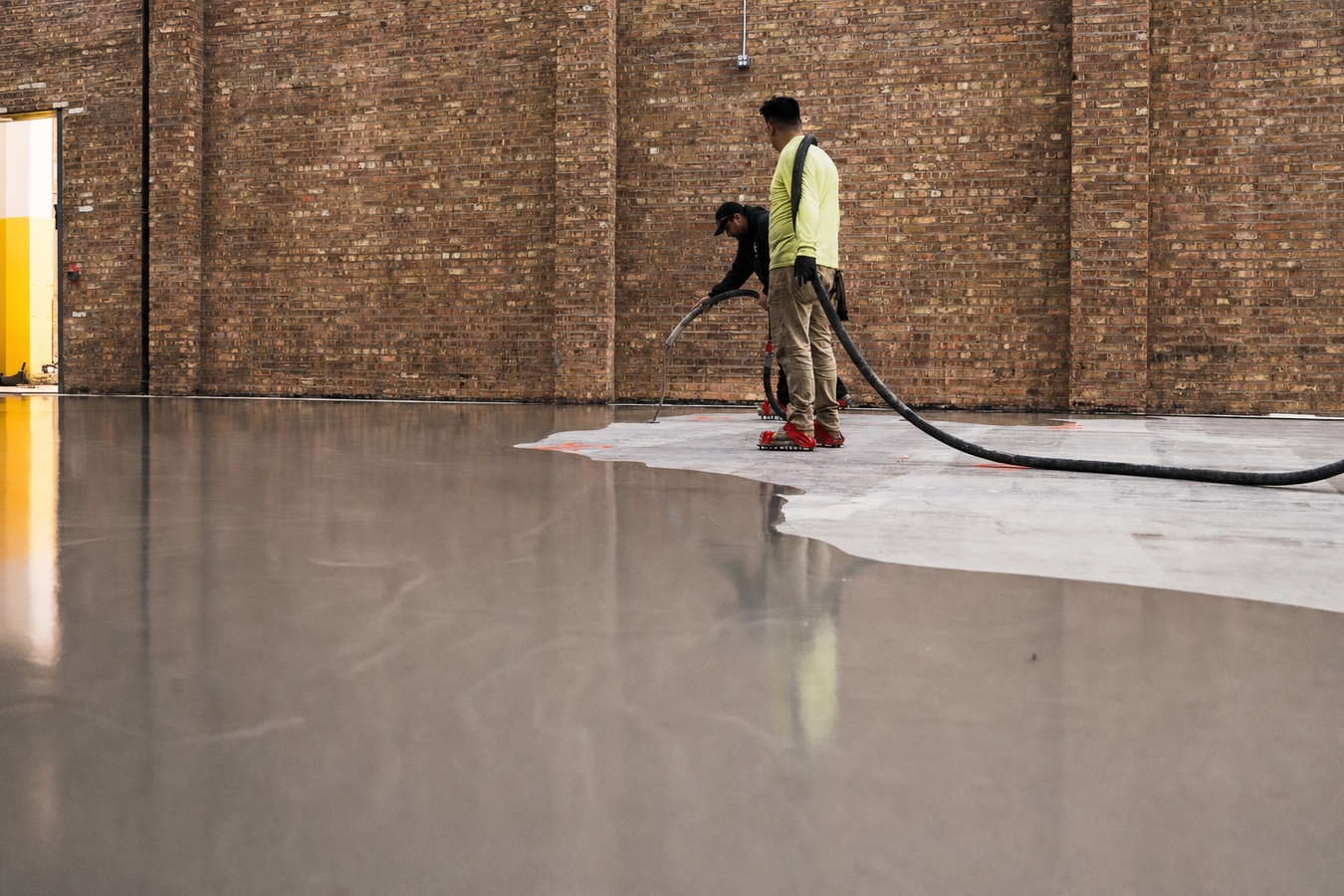
An uneven slab causes new tile to crack and vinyl to buckle no matter how good the flooring is. We level, fill, and resurface the floor underneath so your new flooring actually lasts.
Self-leveling concrete in El Cajon is a specially mixed material that flows across an uneven floor and settles into a smooth, flat surface on its own - no troweling required. Contractors pour it as a liquid and it finds its own level, filling in low spots and evening out bumps. Most residential jobs take one to three days from start to finish, leaving a surface that is ready for tile, hardwood, vinyl, or a decorative finish.
The biggest thing homeowners get wrong is treating floor leveling as optional. If your flooring installer has flagged the subfloor as uneven, that is a direct referral for this service - most flooring warranties are voided when the product goes down over a surface that does not meet flatness standards. In El Cajon, where clay soils shift with every wet season, older slabs commonly develop the kind of low spots and dips that cause finish flooring to fail prematurely. If you are ready to resurface after leveling, our concrete resurfacing and overlay service handles the finish layer.
A self-leveling overlay is also not a structural repair - if the slab has active movement or deep structural cracks, those need to be addressed first. The right contractor will tell you honestly which situation you are in before recommending an overlay.
If tile, vinyl, or hardwood keeps cracking, popping loose, or showing uneven seams after installation, the problem is almost always the floor underneath. An uneven slab puts stress on whatever sits on top of it, and no amount of replacing individual tiles will fix it permanently. Self-leveling concrete addresses the root cause by creating a flat, stable base before any new flooring goes down.
Walk slowly from one wall to the other across your garage, laundry room, or any room with a concrete slab. If you feel a noticeable dip, slope, or soft spot, your slab has settled unevenly - a common result of El Cajon's clay-heavy soils expanding and contracting through wet winters and dry summers over many years. This kind of unevenness gets worse over time, not better.
After washing down a garage floor or a rain event, watch where the water collects. If it gathers in a low spot rather than draining toward the door, the slab has developed a depression from soil settlement. Standing water accelerates concrete deterioration and creates a slip hazard, making this worth addressing sooner rather than later.
Tile setters, hardwood installers, and vinyl flooring contractors check for flatness before they start. If an installer has told you the floor needs to be leveled before they can proceed, that is a direct referral for self-leveling concrete work. Most flooring warranties are voided if the product is installed over a surface that does not meet flatness standards.
Every job starts with a thorough assessment of the existing slab - we look for cracks, test for moisture, and measure how far the floor deviates from flat. The existing surface is then ground or cleaned to make sure the new material bonds properly. This prep step is the most critical part of the job: skipping it is the number-one reason overlays fail prematurely. We then mix and pour the self-leveling material, guiding it into corners and edges so it fills every low spot and settles to a consistent level across the entire floor. If a decorative finish is wanted on top, our concrete resurfacing and overlay service handles that finish coat once the base is flat and cured.
For outdoor spaces, patios, and pool surrounds, we use overlays finished with exterior-rated, UV-resistant sealers designed for El Cajon's inland climate. Our pool deck coatings and resurfacing service extends this work to wet-environment surfaces where slip resistance and waterproofing are equally important. El Cajon homeowners use their patios and outdoor areas year-round, and the finish materials we select are chosen to hold up to that demand.
Suited for homeowners whose flooring installer has flagged the subfloor as uneven - creates the flat, stable base that tile, hardwood, and vinyl require to install correctly and stay put.
Best for older El Cajon homes where clay soil movement has caused the slab to develop dips and low spots over decades, creating drainage problems and an uneven work surface.
Ideal for homeowners who want a finished surface rather than a base for other flooring - the leveled slab is topped with a stained, tinted, or polished overlay that serves as the final floor.
Designed for outdoor spaces in El Cajon's intense sun - uses UV-resistant, exterior-rated materials to flatten and finish patios, covered areas, and transitional indoor-outdoor spaces.
El Cajon and the surrounding East County area sit on soils with a high clay content. Clay expands when wet and shrinks when dry - and in a climate with distinct wet winters and dry summers, that cycle happens every year. Over time, this movement causes concrete slabs to crack, heave, or develop low spots. Before any overlay work, a good contractor will assess whether the slab movement has stabilized. If the soil is still actively shifting, an overlay may not hold long-term without addressing the drainage around the foundation first. Homeowners in Lemon Grove and Santee deal with the same soil conditions - this assessment step matters throughout East County, not just in El Cajon proper.
El Cajon's inland heat also creates a narrow working window for self-leveling pours. The material is sensitive to temperature: if it dries too fast in summer heat, it can crack or fail to bond properly to the slab underneath. Experienced local contractors schedule pours for early morning during warm months and avoid peak-heat afternoons. El Cajon regularly sees summer temperatures above 95 degrees - significantly hotter than coastal San Diego just 15 miles away. A contractor who does not mention temperature management in this climate is skipping an important step that affects how the job holds up over time.
We ask a few basic questions - what room or area you are dealing with, roughly how large it is, and what you are planning to put on top. We reply within one business day and schedule a free on-site visit, because no honest contractor quotes a leveling job without seeing the slab first.
We walk the floor, look for cracks and low spots, test for moisture, and measure the slab. You receive a written estimate that breaks out labor, materials, and prep separately - so you can see exactly what you are paying for before any work begins.
The crew grinds or cleans the existing surface so the new material bonds properly - this step is noisy and produces some dust, but reputable contractors use dust containment equipment. The self-leveling material is then poured and guided into corners and edges. In El Cajon's warmer months, this is scheduled for early morning.
The floor needs at least 24 hours before light foot traffic, and heavy furniture or appliances should wait at least 72 hours. Before leaving, your contractor should tap several spots on the surface - a solid sound means good adhesion, a hollow sound means a section did not bond and needs attention. You will receive clear care instructions in writing.
We will come look at your slab, tell you honestly what it needs, and give you a written quote - no obligation.
(858) 339-5418Concrete holds moisture, and if moisture is migrating upward through the slab, an overlay applied on top can bubble or peel within months. We test for moisture before starting - especially important in El Cajon, where some neighborhoods sit on clay soils that retain water even in dry weather. Skipping this test is a shortcut that always costs more in the end.
Parts of El Cajon and East County sit on clay soils that swell in winter and shrink in summer. If the slab is still actively moving, we tell you before recommending an overlay - because a pour applied to an unstable slab will crack regardless of how well the work is done. Honest assessment up front saves you from paying twice.
Self-leveling concrete sets differently in El Cajon's inland heat than it does in coastal areas or cooler climates. We schedule pours for early morning during warm months and adjust our approach based on the day's forecast - not a fixed schedule. You will not end up with a cracked floor because someone rushed a pour on a 95-degree afternoon.
California requires concrete contractors to hold a valid license through the Contractors State License Board before performing any residential work. We encourage you to verify our license on the CSLB website before signing anything - it takes about 30 seconds and confirms we are in good standing. Every job also carries full liability and workers' compensation coverage.
The combination of clay soils, heat, and aging housing stock makes El Cajon one of the more demanding environments for overlay work in San Diego County. That is why local experience matters more than a low price from someone passing through. The American Concrete Institute publishes the standards our overlay work follows, and the California Contractors State License Board is where you can confirm any contractor's standing before you hire.
Outdoor overlay work for pool surrounds using slip-resistant, waterproof finishes built for wet environments and daily sun exposure.
Learn MoreOnce the floor is flat, a resurfacing overlay adds color, texture, or a decorative finish on top of the leveled base.
Learn MoreWe schedule free on-site assessments throughout El Cajon and East County. Summer heat fills our calendar fast - reach out now and we will get you on the schedule.